JD
James D.May 12, 2024
Ship Guy made the whole process easy. Great communication and my car arrived earlier than expected. Highly recommend!
Licensed • Insured • Nationwide
Licensed, insured car shipping to and from Alaska — transparent pricing, vetted carriers, and door-to-door delivery.
Thanks — a Ship Guy specialist will reach out shortly with your transparent, all-in price.
Or call us now: (866) 280-3481Trusted by vehicle owners nationwide.
Ship Guy made the whole process easy. Great communication and my car arrived earlier than expected. Highly recommend!
Excellent service from start to finish. The driver was professional and my vehicle arrived in perfect condition.
Fast quote, fair price, and they kept me updated throughout the entire delivery. Will definitely use again.
Shipped my SUV cross-country with no issues. The team was responsive and the experience was smooth.
Moving a vehicle between Alaska and the lower 48 is more complicated than a typical cross-country shipment. Alaska auto transport involves both overland trucking and ocean freight, as well as working with port schedules and dealing with challenging weather. Ship Guy takes care of these details, so you can focus on the rest of your move.
This guide explains what you need to know, including 2026 pricing, how the process works, transit times for each route, tips to save money, and how to get your vehicle ready for shipping.
Ship Guy handles Alaska car shipping between any of the 48 states and Alaska, managing both the trucking and ocean legs with a single point of contact. Here’s a quick overview before we dive into the details.
Shipping a car to Alaska costs between $1,200 and $4,000 for most sedans and small SUVs, depending on your origin and destination ports and the time of year. Full-size pickup trucks, oversized vehicles, and enclosed service push the upper range higher.
Most shipments travel by truck to the Port of Tacoma in Washington, then by ocean vessel or barge to Anchorage, Fairbanks (via Whittier), or Southeast Alaska ports like Juneau.
Total transit time from the West Coast runs about 7 to 14 days. From the Midwest or East Coast, expect roughly 14 to 26 days, including overland trucking and port processing. Car shipping to Alaska typically takes 20 to 26 days for moves originating far from the Pacific Northwest.
Ship Guy offers cost-effective planning, clear pricing with line items, and year-round routes to Alaska, even during winter when schedules are tighter, and weather can make things more challenging.
Shipping to Alaska can take 1 to 3 weeks, depending on the origin and weather conditions, so building buffer time into your moving plan is always smart.
Ship Guy is not a generic auto transport broker that treats Alaska like an afterthought. The company is built around the specific challenges of shipping vehicles to and from a state not connected to the rest of the U.S. road network.
Ship Guy focuses on providing direct service planning between Alaska and the lower 48, coordinating truck carriers, ocean vessel schedules, and port logistics under a single point of contact. You deal with one team, not three different companies.
The company gives realistic timelines that account for Alaskan weather, port congestion, and sailing cutoffs rather than quoting best-case scenarios that rarely hold up in winter.
Ship Guy helps you find the cheapest way to move your vehicle that still protects it. That means comparing routes, service levels, and departure windows rather than just booking the first available slot.
Route comparison is built into the process. Whether Tacoma to Anchorage, Tacoma to Fairbanks via Whittier, or a Southeast Alaska port makes the most sense for your move, Ship Guy lays out the options with pricing for each.
Quotes are broken down so you can see what goes toward stateside trucking, what covers ocean freight, and what covers port or documentation fees. No bundled mystery charges.
The team offers personalized service tailored to your move, not a one-size-fits-all quote generated by an algorithm that has never heard of Dutch Harbor.
Alaska car transport combines two distinct legs: overland auto transport across the lower 48 and maritime shipping across the Gulf of Alaska. Understanding how these pieces fit together makes the entire process less stressful.
Maritime shipping to Alaska often departs from the Port of Tacoma or Seattle. RoRo shipping is a common method for Alaska vehicle transport, where cars are driven onto the vessel and secured below deck for the ocean crossing. provides ocean shipping services to Alaska, alongside carriers like TOTE Maritime and Span Alaska.
Here is the typical flow for a lower-48-to-Alaska move:
You request a free quote from Ship Guy with your origin address, Alaska destination, vehicle details, and preferred dates. Ship Guy returns a written estimate with line-item costs.
Once booked, Ship Guy schedules a carrier for the overland leg. The driver picks up your vehicle at your door or a nearby terminal and transports it to Tacoma, WA.
At Tacoma, the vehicle enters terminal processing: inspections, paperwork verification, and loading onto the designated vessel or barge.
The vessel sails to your Alaska destination port, typically Anchorage. For Fairbanks, the car usually arrives in Whittier and then moves by rail or road to its final stop.
Once your car arrives at the Alaska port, you can either pick it up yourself or Ship Guy can arrange local delivery to your home or another address.
Return trips from Alaska to the lower 48 follow the same process in reverse: drop at the Alaska port, ocean voyage to Tacoma, then trucking to your destination.
Ship Guy coordinates sailing schedules so you do not have to guess at cutoff dates or terminal drop-off windows. Common destinations include Anchorage, Fairbanks, and Juneau, though select Southeast Alaska communities are also served.
Route choice directly affects both the price and timing of your Alaska auto shipment. Here are the major corridors and realistic 2026 transit estimates.
Tacoma, WA to Anchorage: the vessel leg takes about 5-7 days. Total door-to-door from the Seattle or Tacoma area runs roughly 10 to 14 days, including terminal processing.
Tacoma to Fairbanks (via Whittier plus rail or road): about 7 to 10 days total from vessel departure to final delivery.
Tacoma to Juneau and Southeast Alaska: approximately 8 to 14 days, depending on vessel schedules and last-mile barge access to smaller ports.
Shipping from the East Coast to Alaska takes 15 to 17 days on average, combining 5 to 10 days of cross-country trucking with the ocean leg.
Midwest origins (Chicago, Minneapolis, Denver) to Anchorage: roughly 10-18 days, depending on carrier availability and port scheduling.
It takes 5 to 7 days from the West Coast to Alaska, just for the ocean portion.
Anchorage back to Tacoma via vessel: Span Alaska lists 8 to 9 days for this southbound sailing.
Winter ice, storms, and port congestion can add several days to transit. Shipments may face delays during the winter months, and Ship Guy builds this buffer into planning so you are not caught off guard.
Cross-country car transport services are available for Alaska, meaning Ship Guy can coordinate a pickup from virtually any state nationwide.
As a general rule, car shipping to Alaska typically takes 20 to 26 days for moves originating east of the Rockies.
Alaska car shipping prices vary based on your origin city, destination port within Alaska, the size and weight of your vehicle, the shipping method you choose, and the time of year. No two quotes are identical, but here are grounded 2026 ranges to help you set expectations.
West Coast (Seattle/Tacoma area) to Anchorage: approximately $1,200 to $1,600 for a standard sedan, ocean leg included.
Midwest to Anchorage: roughly $1,800 to $2,500, reflecting the added trucking distance to Tacoma.
East Coast to Anchorage: $2,000 to $2,800 or more for a sedan, factoring in cross-country ground transport plus ocean freight and terminal fees.
Anchorage back to the lower 48: for a large pickup or SUV, expect to pay $2,750 to $4,250, depending on the final destination.
For comparison, industry players like Nexus Auto Transport charge $3,450 to $5,545 for shipments to Alaska, while Montway Auto Transport charges $2,499 to $3,569 for Alaska routes. RoadRunner Auto Transport also offers a variety of car shipping packages. Ship Guy aims to deliver competitive pricing within or below these ranges by optimizing route and timing.
Shipping costs depend on distance, vehicle type, and shipping method. Larger vehicles like full-size pickup trucks, vans, and oversized vehicles add several hundred to over $1,000 because they consume more space on both the truck and the vessel.
Late fall through early spring may incur a seasonal or fuel surcharge due to harsher conditions, reduced sailing frequency, and higher operating costs.
The cheapest way to ship is usually to stay flexible on dates, use open carrier transport for the overland leg, and opt for standard barge service rather than rush or enclosed options.
Ship Guy always provides written quotes that include line-item trucking, ocean freight, and any known port or documentation fees. You know exactly what you pay before anything moves.
Small decisions about route, timing, and service level can increase or decrease an Alaska car transport quote by hundreds of dollars. Here are the primary cost drivers.
Distance from your origin to Tacoma: someone in Idaho or Oregon pays far less in stateside trucking than someone in Florida or New York.
Destination within Alaska: Anchorage is the least expensive port. Fairbanks adds a rail or road leg from Whittier. Southeast Alaska and remote locations like Dutch Harbor require additional barge service, further raising prices.
Vehicle size and weight: compact sedans cost less than full-size pickup trucks, SUVs, or vans. Oversized vehicles may require special handling.
Running versus inoperable status: a vehicle that cannot drive on and off a truck or vessel under its own power requires specialized equipment and costs more.
Open versus enclosed transport: an enclosed service adds roughly 30-60% to open carrier pricing.
Seasonal demand: late May through August is peak season due to military PCS moves, university relocations, and tourism. Alaska car shipping companies consistently see higher vehicle shipping rates during this window.
Extra services: port storage, changes after booking, last-minute schedule moves, or added documentation can generate fees if not planned ahead of time.
Nexus Auto Transport is rated as the top Alaska car shipper by some review outlets, but pricing from any company will fluctuate based on these same factors. Ship Guy helps customers time their vehicle shipment and select routes that balance speed with cost-effective pricing.
Ship Guy arranges several vehicle shipping services so you can match your Alaska car shipping choice to your budget, timeline, and the value of your car. On the overland leg, customers choose between open and enclosed auto transport. On the ocean leg, vehicles travel in secure deck or under-deck positions on barges or RoRo ships.
Customers can also combine different pickup and delivery configurations: door-to-door, door-to-port, and port-to-door. Your preferences around speed, protection for classic cars, or simply the cheapest way to get the job done guide which shipping options Ship Guy recommends.
The open versus enclosed choice applies mainly to the truck segments in the lower 48 and, in some cases, the road portions within Alaska.
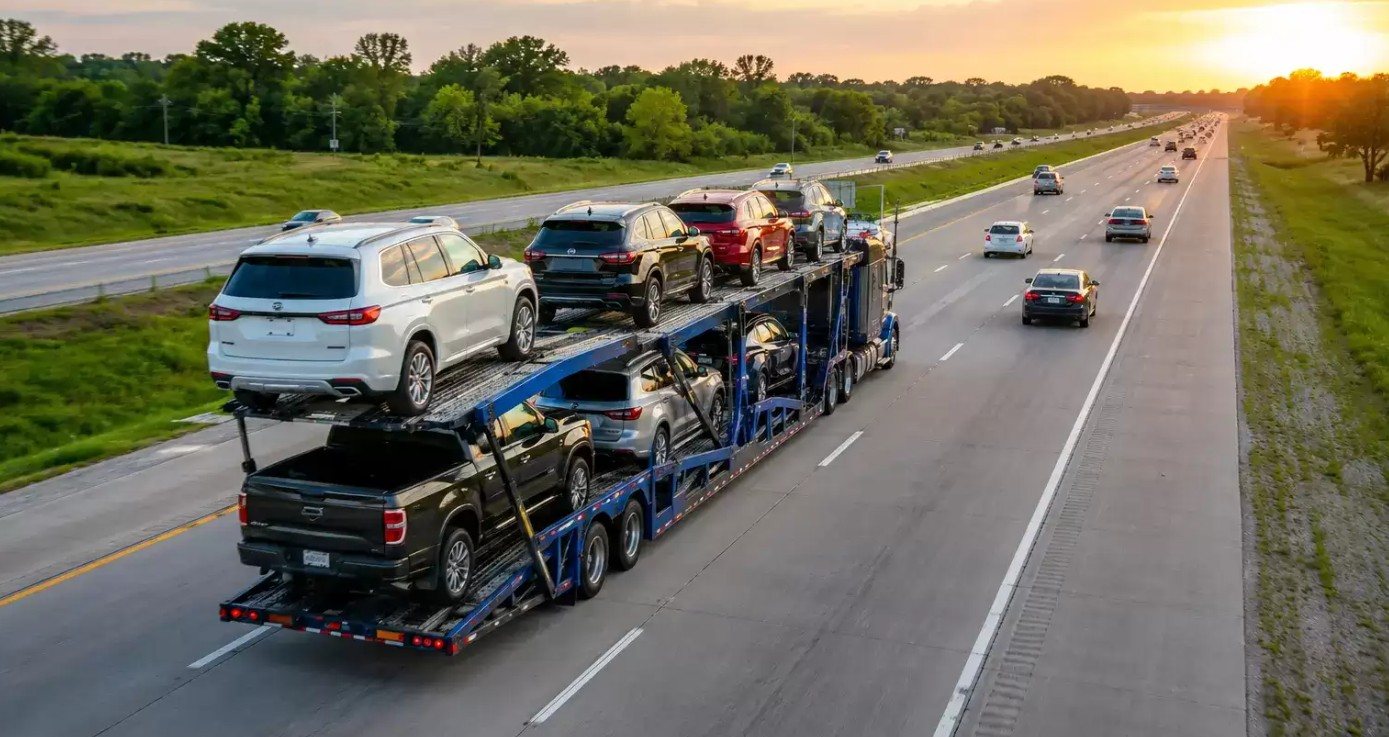
Open carrier transport is the most cost-effective method for shipping cars to Alaska. Your vehicle rides on a standard multi-car hauler exposed to weather and road conditions, just like the new cars you see on transport trucks every day on the highway.
Open works well for standard daily drivers, leased vehicles, and anything that does not require museum-level protection. Most vehicle shipping moves across the country use this format.
Enclosed car transport offers better protection from weather, road debris, and salt spray. It is the preferred shipping method for high-value vehicles, classic cars, modified trucks, or new luxury models.
Container shipping provides maximum protection for high-value or classic vehicles, fully enclosing the car in a steel box for both the land and ocean legs.
Weather exposure on the overland leg can be significant in winter, particularly through mountain passes in Washington and along the Alaska Highway corridor. Enclosed service often makes sense for freshly detailed or collector vehicles heading north.
Ship Guy can present side-by-side quotes for both options, so you see exactly how much extra enclosed service costs on your specific route and date. There is no pressure to upgrade if open transport meets your needs.
Pickup and delivery style is another decision that affects both convenience and cost in Alaska auto transport planning.
Door-to-door is the most convenient option. A carrier meets you as close as local street access allows at both your origin and your Alaska destination. You wait at your house, the truck shows up, and your car is loaded or delivered.
Port-to-port shipping means you personally deliver your Alaska car to the Tacoma terminal and pick it up at the Alaska port. This is often the least expensive configuration if you live near either terminal.
Hybrid options like door-to-port or port-to-door combine home pickup on one end with port handling on the other. A customer in Houston, for example, might choose door-to-port (home pickup in Texas, port pickup in Anchorage) to save on the Alaska delivery fee.
Ship Guy walks you through local street restrictions, neighborhood access for large trucks, and port check-in rules so there are no surprises at pickup or delivery. The team explains what to expect at every step.
Port-to-port tends to work best for customers already in the Tacoma or Anchorage metro areas. If you are far from either, the convenience of door-to-door usually justifies the added cost.
Alaska auto transport is a significant expense, and smart planning is the most reliable way to make it more cost-effective. Here are specific strategies that actually move the needle.
Book at least 6 to 8 weeks ahead of your desired sailing date, especially during peak summer PCS season or mid-winter. Early booking locks in rates before demand spikes.
Stay flexible on your pickup window. Carriers filling a truck to Tacoma can often offer better rates if you give them a 3- to 5-day window rather than demanding an exact date.
Avoid last-minute date changes. Most car shipping companies charge rebooking fees or lose your spot on a vessel if schedules shift after confirmation.
If you are shipping multiple vehicles at once, ask Ship Guy about multi-vehicle discounts. Consolidating onto the same truck and sailing can reduce per-unit cost.
Use open carriers whenever reasonable and choose standard transit instead of rush service. This combination is consistently the cheapest way to move a vehicle safely.
Ship Guy compares different departure weeks and alternative ports to uncover lower-cost combinations for your specific move. A one-week shift in timing can sometimes save $200 or more.
Consider the alternative: driving the Alaska Highway requires a valid passport and a reliable vehicle. Driving the Alaska Highway incurs high mileage and potential travel costs, including fuel, lodging, food, and wear on your car. For many people, shipping ends up being the more hassle-free choice once you add up the true cost of driving.
The lowest quote is not always the smartest choice for Alaska car shipping, particularly when conditions are harsh or the stakes are high.
If you have a firm move-in date or work start date, paying for a guaranteed pickup window and a specific sailing helps avoid missing your deadline and scrambling for temporary transportation in Alaska.
New, luxury, or collector vehicles benefit from enclosed auto transport. The added cost is minor compared to repairing paint damage or dents from road debris on a 2,000-mile overland haul.
Late-fall storms and mid-winter cold increase the chance of delays. Paying for flexible storage at the port and a wider delivery window prevents your vehicle from sitting in limbo if a sailing is postponed.
Ship Guy is transparent about when upgrades are worth the cost and when a basic package will get your car delivered safely without overspending.
Electric vehicles present a unique challenge: as of August 2025, no longer accepts EVs or plug-in hybrids for shipment due to fire safety regulations. If you own an electric vehicle, Ship Guy can help identify alternate carriers, but expect limited options and potentially higher pricing.
Proper preparation reduces delay, dispute risk, and potential damage during Alaska auto transport. Treat this as a non-negotiable checklist before your car is picked up.
Clean your vehicle inside and out before shipping. A clean exterior makes it far easier to spot pre-existing damage during the inspection, and a clean interior ensures nothing is overlooked.
Document your vehicle's condition with photos before transport. Take date-stamped pictures of all four sides, the roof, the interior, the dashboard, and any existing scratches or dents. These photos are your evidence if a claim becomes necessary.
Remove personal belongings as shippers are not liable for them. Most carriers and ocean vessels prohibit loose personal items in the cabin. If personal effects are found, they may be removed, or the vehicle could be refused at the terminal.
Keep your fuel tank no more than half-full for shipping. A quarter- to half-tank is the standard requirement for both overland and ocean transport. A full tank adds unnecessary weight and is a safety concern on the vessel.
Check tire pressure and battery before vehicle transport. The vehicle needs to start, steer, and brake so it can be driven on and off trucks and vessels. Flat tires or a dead battery can delay loading and may result in additional fees.
Fix any obvious fluid leaks. Oil or coolant dripping onto a carrier or vessel deck creates liability and can lead to your car being refused at the port.
Disable or remove aftermarket alarm systems that could trigger during transit and drain the battery.
Port and carrier rules are strict for Alaska car shipping, and missing documents can delay a sailing by a full week or more.
Documentation for shipping includes vehicle title, registration, and a valid ID. Have these ready well before your scheduled pickup date.
If the vehicle is leased or financed, obtain written authorization from the lienholder or leasing company to transport the vehicle. Some carriers will not load without this.
Ports in Washington and Alaska enforce specific check-in windows and security procedures. Late arrivals may miss the cutoff and wait for the next sailing.
Vehicles must be free of prohibited items: no flammables, propane tanks, loose fuel cans, or ammunition. Maritime safety regulations are enforced at the terminal, and violations can result in your car being pulled from the shipment.
Ship Guy provides written instructions for every booked shipment covering where to go, when to arrive, and who to contact at the terminal. You will know your contact's name and phone number before you leave your house.
The delivery step is where you confirm the condition of your vehicle and close out your Alaska auto transport contract. Taking a few minutes here can save you significant headaches later.
Inspect the vehicle's exterior and interior carefully in good light before signing any delivery documents. Do not rush this step, even if the driver is in a hurry.
Check for new dents, scratches, cracked glass, or alignment changes, comparing to your pre-shipping photos and the original bill of lading.
Note any damage on the delivery paperwork before signing. Once you sign a clean delivery receipt, disputing damage becomes much harder.
Verify that keys, remotes, and any accessories shipped with the vehicle are still present.
If everything checks out and your car arrived in the condition you expected, sign the paperwork, and you are done. If not, document the issue immediately.
Even with careful planning, Alaska car shipping can be affected by weather, mechanical issues, or port delays. Knowing the process ahead of time keeps you calm if something unexpected happens.
In the event of transit damage, accurate documentation and prompt reporting to Ship Guy and the carrier are essential to initiate the claims process. Contact Ship Guy by phone as soon as you identify the issue.
Keep copies of all shipping documents, photos, and any repair estimates related to the incident. These form the basis of your claim.
If an arrival is delayed, Ship Guy communicates updated ETAs and helps arrange revised pickup or delivery times where possible. You will not be left guessing or having to chase down a vessel tracking number on your own.
Ship Guy's team handles coordination, so the process stays as hassle-free as possible, even when things don't go according to plan. Every shipment is managed to ensure your vehicle is delivered safely and on time.
Ship Guy provides coverage between major Alaska locations and all 50 states, making it an easy auto-ship solution whether you are heading north or south.
Primary Alaska destinations include Anchorage, Fairbanks, Juneau, and select Southeast Alaska communities. Availability to more remote areas depends on seasonal barge service and carrier schedules.
Ship Guy connects Alaska with all contiguous U.S. states by coordinating overland carriers to and from Tacoma, Seattle, and other key locations. Whether you are in Hawaii looking for information or nationwide state coverage, the team can advise on available options.
Alaska Auto Transport operates year-round between Alaska and the lower 48. During the winter months, schedules require adjustments and added lead time, but service does not stop.
The company is not locally owned in Alaska, but it maintains strong carrier relationships with operators who are, ensuring your vehicle is handled with utmost care at every stage from the service center to the destination port.
Wrightway Auto Carriers and other vetted partners provide direct service on specific corridors when capacity allows.
Whether you need to ship a car, transport an SUV, or arrange delivery for multiple vehicles on the same move, Ship Guy builds a plan around your timeline and budget.
Contact Ship Guy for a free quote tailored to your exact origin, destination, and vehicle type. The team will walk you through transit time, cost, and the best shipping options for your move so your vehicle is delivered safely, on time, and without surprises.
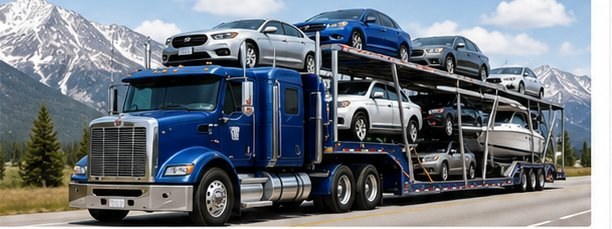
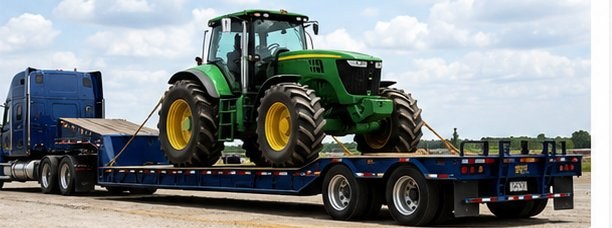
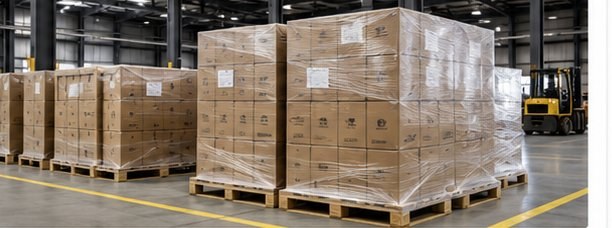
What We Ship
Nationwide transport solutions for vehicles, household goods, equipment, and freight.

Questions?
Everything you need to know before you ship.
Get Started
Call now or request a free quote. Transparent all-in pricing, no upfront deposit, vetted carriers, and 24/7 U.S.-based support.
Ready When You Are
Get a free, no-obligation quote in about 60 seconds — or call and talk to a real specialist right now.